
Step 1
Is there such a thing as "Jewish food"? Are there special foods for Jewish holidays? Discuss these questions, and introduce the idea that different foods originate in different areas around the world, and that Jewish communities often developed special dishes for specific events. Moreover, particular foods developed in certain areas due to climate conditions and available produce, local cuisine and financial limitations. You can use these blog articles for some framing:
Exploring the Mysteries of Jewish Cuisine
The Jewish Stew Made of Anything but the Kitchen Sink
Step 2
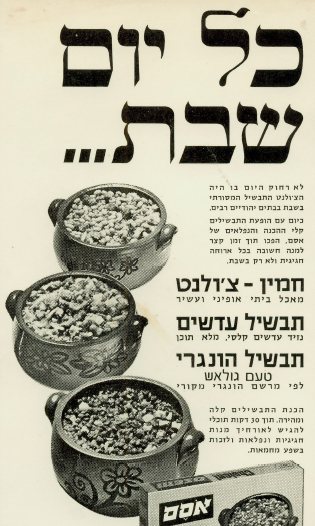
In small groups, students analyze food ads and connect them to the communities and places they represent. Encourage them to use online sources to learn more about foods they are less familiar with
Step 3
Students create food ads that represent foods typical of their home and community. They can choose a dish they particularly like, or something that is prepared especially on a holiday.
Optional: Have each student bring a traditional food to share with the class
- Food
- Jewish Tradition
- 3 - 12
- After School and Beyond
- Camp
- Congregational Learning
- Day Schools and Yeshivas
- Family Engagement
- Teen Engagement
Discover more

Temple Beth Sholom, Roslyn, NY. Shabbat Family Study for 3rd-7th graders and their families is an innovative way to get families to learn, eat and pray together 10 times a year.

The Shabbats proceeding an election offer an opportunity to center the Jewish commitment to Civic Engagement.

The Jewish Education Project at NewCAJE 17 - Today’s Jewish teens care deeply, but parents and stakeholders often misunderstand what matters to them.